
A Hardware Girl in her Softgirl Era: The Importance of Women in Urban Regeneration
For many women, working in fast-paced industries while striving to maintain a healthy work-life balance can impact personal relationships, particularly…
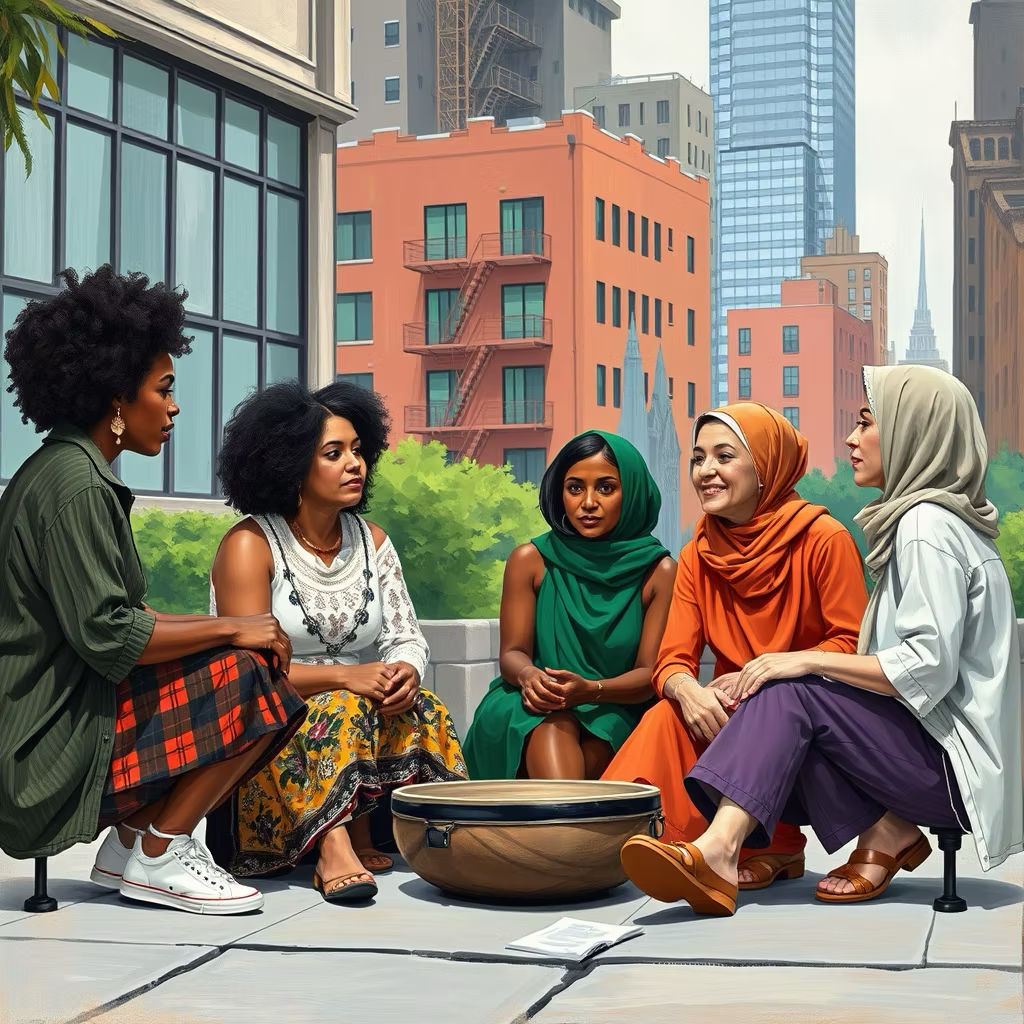
For many women, working in fast-paced industries while striving to maintain a healthy work-life balance can impact personal relationships, particularly friendships. It can also serve as a valuable “spring cleaning” period for these relationships. This time allows for reflection and reevaluation, creating room for new connections. “A Hardware Girl in her Softgirl Era” encapsulates my journey in the tech industry, focusing on platforms and infrastructure, while entering a phase where reconnecting with old friends and exploring new relationship opportunities has become a priority. A period of learning to separate the two so that old and new friends are able to see the real me.
Transitioning from one life phase to another often requires us to reassess and redefine our identity beyond societal titles and roles. This is critical for those who aspire to lead or influence others, beyond the title. I find joy in aligning my passions with everything I do, although I’ve been working on managing this tendency. While not entirely resolved, I’m proud of my progress. Using my skills to positively impact others has reminded me of the fulfillment I find in nurturing potential in those around me.
Recently, I connected with a group of influential women who inspired me to finally write this post, a task that had been lingering on my to-do list. We often start projects without knowing their direction, simply because we enjoy them. One of my motivations was observing established women with influential networks still seeking to connect and serve their communities in ways beyond traditional roles. This ties back to the unpaid and invisible contributions associated with these roles, as discussed in an earlier post. So, I challenge you: who are YOU? When you strip away the titles, makeup, and accessories, who is that woman?
Although seemingly simple, I am confident that 95% of women struggle to answer this question adequately. This might be a topic for another post. However, it’s crucial for each of us to periodically take time to reflect and answer this question. As society evolves and our desires shape new capabilities and challenges, understanding our core identity ensures we, as nurturers and drivers of change, remain vital in the regeneration of urban communities.
When we discuss leadership, entrepreneurship, and innovation, it’s about more than just financial gain. Consider the unseen yet profound impacts on culture, positive emotions, and community building.
Why Women, Why Now?
Regeneration is not just a physical process but encompasses a holistic transformation that includes emotional, cultural, and economic dimensions. It is important to recognize that the revitalization of communities is dependent on the contributions and leadership of women, who often serve as the backbone of societal structures. This moment in history presents a unique opportunity to take advantage of the power of women to foster sustainable growth and renewal across various sectors. By focusing on women’s roles in regeneration, we can address long-standing inequities and create environments that nurture and empower all individuals, leading to a more vibrant and inclusive future.
Invisible Architects
Uplifting the community involves recognizing and valuing roles that are often overlooked, such as caregivers, church leaders, salon owners, and food vendors. These individuals, while not always in the spotlight, play crucial roles in shaping the social fabric of our neighborhoods. They influence how we experience trust, safety, and a sense of belonging within our communities.
For instance, caregivers provide emotional support and nurture the next generation, while church leaders often serve as moral compasses and community organizers. This is critical to the healthy development of our future generations. Salon owners and food vendors create spaces for connection, conversation, and cultural exchange, reinforcing the bonds that hold communities together. The contributions of these ‘invisible architects’ are vital in fostering resilience and cohesion, ultimately leading to a healthier and more supportive environment for all residents.
Entrepreneurship as Regeneration
What is one memory you have related to your favorite local community hub? Think of influential spaces such as your local hair or nail salon, barber shop, or a beloved restaurant or store where you would gather with friends after work or school. Is there a favorite coffee shop, library, or rec center that folks love to flock towards? These hubs are often more than just places to receive services or goods; they are vibrant centers of social interaction and cultural exchange. Imagine what your community would look like if women-owned businesses were fully supported and celebrated.
Such an environment would likely thrive with increased creativity, innovation, and a diverse array of offerings that reflect the unique needs and desires of the local population. Women entrepreneurs often bring fresh perspectives and approaches to business, fostering a culture of collaboration and community engagement that can lead to economic revitalization and social progress.
Designing with Dignity
Design and co-creation as tools for equity are increasingly important as society continues to advance and evolve. Women experience public spaces differently, often navigating them with a heightened awareness of safety and accessibility. During a recent visit to one of my favorite cities, I took note of the variety and consistency lacking in architectural designs across different neighborhoods. This made each one more beautiful and unique in its own rights. Upon further research, I discovered that one of the most beautiful and impactful structures in the area was created by a woman, who is recognized as one of the top architects globally.
This revelation prompted me to consider how the presence of women in design and architecture can significantly influence the aesthetics and functionality of public spaces. When women are involved in the design process, it can lead to environments that are more inclusive, welcoming, and reflective of the diverse needs of the community. Consider how this impacts how others feel and show up when visiting your public space, and how inclusive design can lead to a greater sense of ownership and pride among community members.
Call to Action
Think of a role or potential role that you can play in the regeneration of your own community. Whether it’s volunteering your time, supporting local women-owned businesses, or advocating for equitable policies, every action counts. Reflect on your unique skills and passions, and consider how they can contribute to the revitalization efforts in your area. Engage with others in your community to identify shared goals and collaborate on initiatives that promote growth and inclusivity.
Some next steps to help close out this post:
- Identify local women-owned businesses and support them through patronage or promotion.
- Participate in community meetings or forums to voice your ideas and concerns regarding local development.
- Volunteer with organizations that focus on empowering women and fostering entrepreneurship.
- Educate yourself and others about the importance of equitable design in public spaces.
- Share your experiences and memories of community hubs to inspire others to appreciate their significance.